
Developer 3s Key Decision Metrics
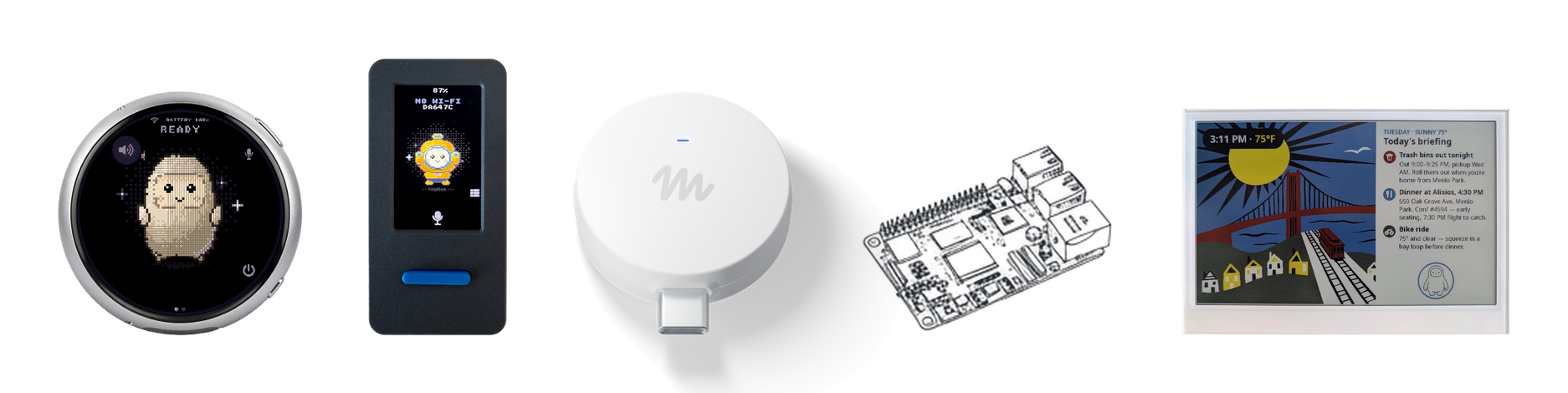
Around 2026-10-02 Meta open-sourced facebookincubator/muse-gadget-sdk (Apache-2.0): ESP32 firmware + a Linux Device SDK so builders can wire Muse to displays, buttons, sensors, and local HTTP devices. Meta’s own Muse Home Link (USB-C) is free for U.S. Muse subscribers (batch of 5,000). Pairing needs an SDK token; Muse Code + AGENTS.md is the recommended flash path.
Key Takeaways
- ✓Repo: facebookincubator/muse-gadget-sdk Apache-2.0; created 2026-10-02T18:21Z; ~128★ / 12 forks at ingest
- ✓Stacks: ESP32 SDK on ESP-IDF v6.0.1 + Linux SDK (
musegadget→ /opt/musegadget) - ✓Home Link: USB-C dongle; 5,000 free for U.S. Muse subscribers; ships October
- ✓Linux Muse runs as the install account (sudo if that account has sudo); community pairing has no manufacturer attestation
- ✓Start: SDK token → Muse Code/
idf.pyon esp32/ orbash install.sh --sdk-token …then App Developer mode pairing
Finished reading? Explore benchmark rankings & pricing
Real-world SWE-bench scores & $20/mo vs API cost break-even calculator
Project Links & Resources
Direct AccessIn-Depth Technical Analysis
Core Background & Industry Pain Points
Consumer agents are moving from chat UIs toward always-on devices that can touch the physical world. Muse already has a phone app and Connect-era Charm hardware plans, but makers still needed auditable firmware/SDKs to put the agent on DIY displays, buttons, sensors, and local HTTPS gear. Around 2026-10-02, Meta open-sourced Muse Gadgets at facebookincubator/muse-gadget-sdk (Apache-2.0) and shipped its own Muse Home Link as the reference gadget (5,000 units for U.S. subscribers).
Architecture Highlights & Internals
Two stacks: (1) ESP32 Device SDK on Espressif ESP-IDF v6.0.1—flash Wi-Fi firmware; boards with a home-network tunnel let Muse reach existing devices and local HTTP APIs. Supported boards range from ESP32-C5 DevKitC-1 to Waveshare AMOLED, SenseCAP Watcher/Indicator, M5Stack StickS3/StickC Plus2, AIPI Lite, etc. Every gadget needs an SDK token. (2) Linux Device SDK—install.sh installs /opt/musegadget, starts a systemd service, and opens BLE pairing in the Muse app (Developer mode; MuseGadget… names). Commands include system.run, chunked file.read/file.write, device.health; local processes can musegadget send-user-msg without their own credentials. Pairing lasts ~10 minutes; community devices have no manufacturer attestation.
Authoritative Benchmarks & Measured Scores
This is a hardware/SDK release—no SWE-bench/OSWorld numbers; do not invent. Anchors: gadgets.muse.ai, facebookincubator/muse-gadget-sdk (created 2026-10-02T18:21:23Z; ~128★/12 forks at ingest), The Verge, Engadget (5,000 Home Links, U.S. subscribers, ships October). ESP-IDF pinned to v6.0.1; Linux Muse inherits the install account’s privileges.
Developer Hands-on Guide
Get an SDK token; clone the repo; for ESP32 use Muse Code (muse --disable-sandbox) or ESP-IDF v6.0.1 + idf.py; for Linux run bash install.sh --sdk-token … then pair in the app. Extend via executor.py / board ports per AGENTS.md. Treat flashing and community pairing as trusted-network, proceed-at-your-own-risk work.
Discussion & Comments
0Sign in to join the discussion
Connect with AI developers to exchange benchmark insights.