
On 2026-10-14 NEURA Robotics launched Neuron AI, a Physical AI foundation model built on a Perception-Language-Action (PLA) architecture that aligns 3D vision, touch and force, audio, robot state and language in one space, adds memory, and runs on the robot itself across five NEURA embodiments. No quantitative benchmarks were published. Customers fine-tune skills and roll them out to fleets via Neuraverse; a fully autonomous 11-minute laundry task will be demoed at NVIDIA GTC Berlin on October 20–22.
Key Takeaways
- ✓Neuron AI takes 5 modalities (3D vision, touch/force, audio, robot state, language) and outputs one action stream
- ✓One model across 5 NEURA embodiments, including 4NE-1 Gen 3, Gen 4, a wheeled 4NE-1 and two bimanual platforms
- ✓Trained on 3 data pillars: real robot data from NEURA Gyms, simulation-amplified data, and human demos from sensor suits; Schaeffler and Bosch are data partners
- ✓Runs locally with no cloud dependency; no quantitative benchmarks published, Time-to-Skill is the headline metric (no figures given)
- ✓Live demo at NVIDIA GTC Berlin, Oct 20–22 (Hall 3, Booth #3031): 4NE1 completes an 11-minute laundry task autonomously
Key Decision Metrics at a Glance
Turn your technical choice into a development budget
Compare 40 dev plans & simulate token costs vs $20/mo subscriptions
Project Links & Resources
Direct AccessIn-Depth Technical Analysis
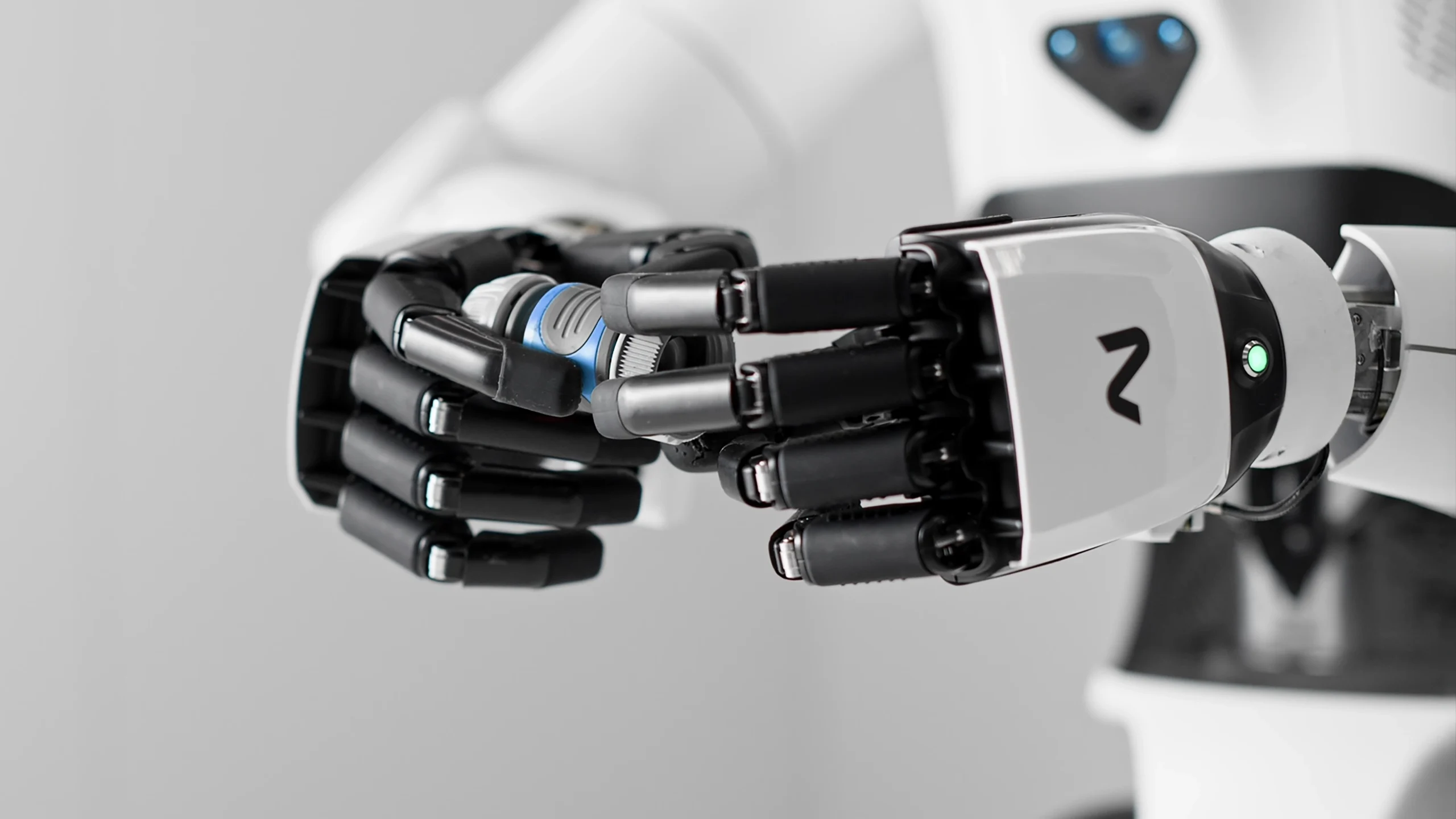
NEURA Robotics introduced Neuron AI on October 14, 2026, a foundation model for Physical AI developed and trained in Metzingen, Germany. Instead of the vision-led VLA approach, its Perception-Language-Action (PLA) architecture encodes 3D vision (point clouds and depth), tactile and force-torque data, audio, robot state and language into one shared space, aligns them over time, and produces a single action stream. Memory is built into the architecture so the robot keeps track of objects it can no longer see. Training combines real robot data from NEURA Gyms, simulation-amplified data, and human demonstrations captured with sensor suits, with industrial data partners including Schaeffler and Bosch. The model runs locally on the robot, without the cloud, across five embodiments (4NE-1 Gen 3, Gen 4, a wheeled 4NE-1 and two bimanual platforms). NEURA has not published quantitative benchmarks; it frames progress as Time-to-Skill without figures. Access is through NEURA sales; customers fine-tune skills and deploy them to fleets via Neuraverse. A fully autonomous 11-minute laundry demo runs at NVIDIA GTC Berlin, October 20–22.
Benchmark side-by-side against alternatives, or calculate monthly token cost vs subscription break-even.
Discussion & Comments
0Sign in to join the discussion
Connect with AI developers to exchange benchmark insights.