AI Coding Live News

GitHub Project Rubicon: New Git Storage Hits ~5,000 Concurrent Agents and ~7,200 Pushes/sec in Internal Tests

On 2026-11-05 GitHub Engineering detailed the next-gen Git storage announced at Universe (codename Rubicon). Vendor internal tests: ~5,000 concurrent agents and ~7,200 pushes/sec on one repo with low-latency reads. Objects live in Azure Blob; reference updates go through Ref-CAS; disposable virtual replicas serve compute. Limited private preview; broader rollout early next year.

GitHub Project Rubicon: New Git Storage Hits ~5,000 Concurrent Agents and ~7,200 Pushes/sec in Internal Tests

Key Takeaways

  • Source: GitHub Blog Inside GitHub's new Git storage architecture (2026-11-05) + @github; prior series Building… and The bridge…
  • Scale (vendor internal tests): ~5,000 concurrent agents and ~7,200 pushes/sec on one repo with low-latency reads
  • Architecture: objects/packs in Azure Blob; refs + pack manifest in Ref-CAS; virtual replicas scale out; compaction/GC on separate nodes
  • Principles: coordinate only reference updates; decouple storage from compute so adding read capacity does not slow writes
  • Availability: limited private preview; broader rollout early 2027; Git workflows unchanged for developers
Read full story
Linked Models & Agents:

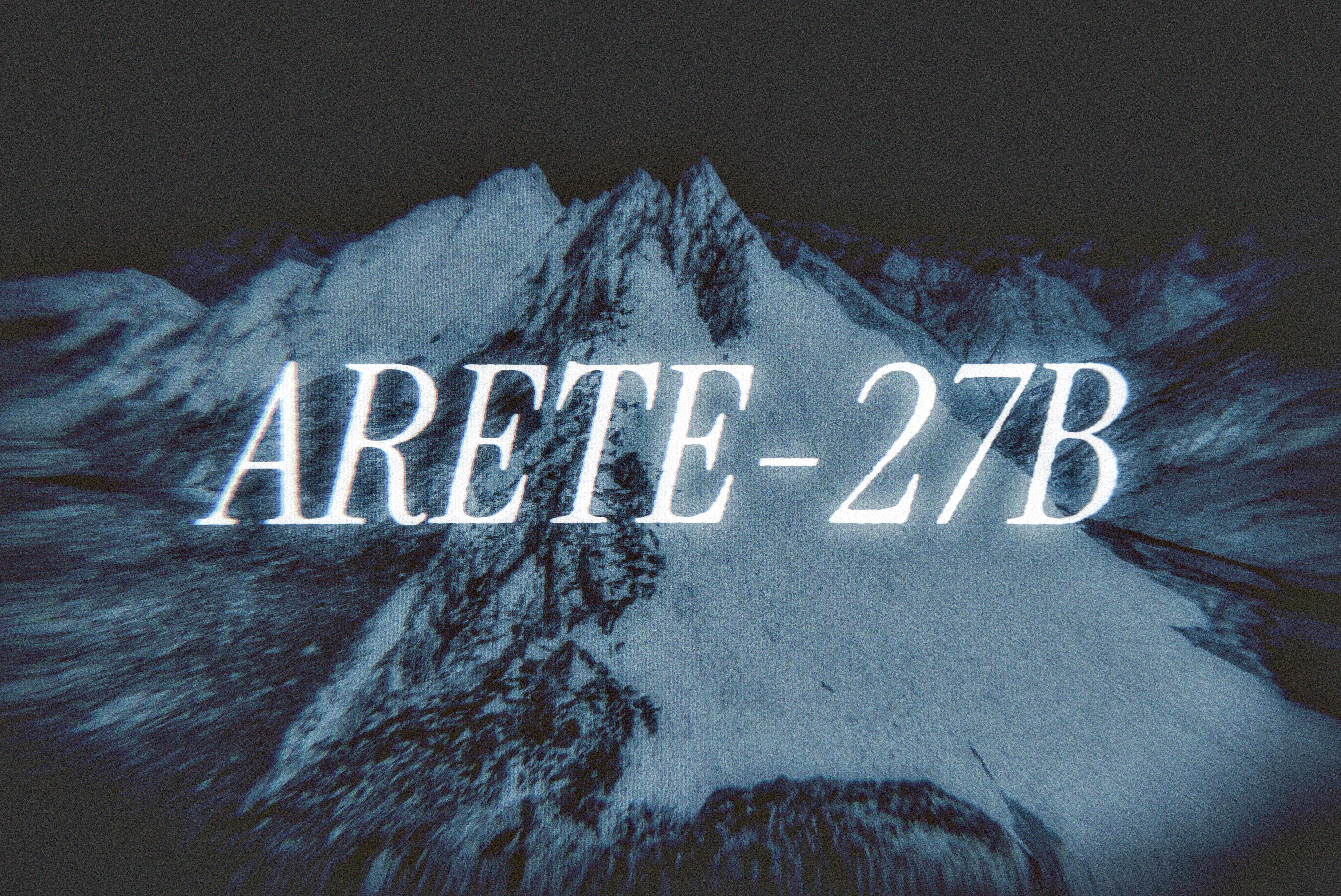
Nous Research Releases Arete-27B: Qwen3.8-27B SFT Cutting Propaganda Rate ~22% to ~1% With No Hermes Bench Regression

On 2026-11-06 Nous Research released Arete-27B, an ~52.8M-token SFT of Alibaba Qwen3.8-27B aimed at Western-aligned answers. On Nous's 803-prompt seven-category eval, vendor figures show propaganda answers ~22% to ~1% and fact mean ~2.32 to ~2.98/5; Hermes Bench ~65.60% vs base ~65.77%. Weights, eval, and data are public.

Nous Research Releases Arete-27B: Qwen3.8-27B SFT Cutting Propaganda Rate ~22% to ~1% With No Hermes Bench Regression

Key Takeaways

  • Source: Nous blog Introducing Arete-27B (Nov 2026) + @NousResearch post
  • Method: plain SFT on Qwen3.8-27B (~52.8M tokens, 2 epochs, no RL/PO); teacher Inkling; vision encoder frozen
  • Eval (vendor): 803 prompts / 7 value categories; propaganda rate ~22% to ~1%; fact mean ~2.32 to ~2.98/5; judge Grok 4.7
  • Capability: Hermes Bench ~65.60% vs base ~65.77%; Terminal-Bench-2.1 vendor ~70% vs base 67%
  • Open: Apache 2.0 weights, Propaganda_Eval, and training pairs on Hugging Face
Read full story

Anthropic Engineering: Components of Agent Memory — Dreaming to Organize Notes, Fix Errors, and Preload Context

On 2026-11-06 Anthropic published The components of agent memory, covering in-session memory notes plus offline dreaming (fix notes against transcripts, build wikis, promote hierarchy). It reports CL-Bench, Pokemon, and internal-corpus wiki evals; @AnthropicAI amplified. Engineering methods post, not a product GA.

Anthropic Engineering: Components of Agent Memory — Dreaming to Organize Notes, Fix Errors, and Preload Context

Key Takeaways

  • Source: Anthropic Engineering The components of agent memory (2026-11-06) + @AnthropicAI
  • Core: memory notes in-session plus dreaming offline to fix notes, build wikis, and preload top-layer memory
  • Evals: on CL-Bench DB tasks Opus 5+ closes the learning loop; in Pokemon Fable 5's 9 files beat Sonnet 3.7's 413-file archive
  • Wiki: on ~350k internal docs, dreaming 2 to 128 sessions lifted 25-question scores ~13% to ~48%; search+wiki ~61% vs search-only ~53%
  • Practice: Claude Code auto memory injects only first 200 lines or 25KB of MEMORY.md; methods post, no new public API announced
Read full story

Microsoft Foundry Partners with fal: Kling, LTX, and MiniMax Video Models in Public Preview as First-Party Azure Service

On 2026-11-05 Microsoft and fal put Kling v3 Pro, LTX-2.5 Fast/Pro, and MiniMax H3 Max/Turbo into Foundry public preview as a first-party Azure service (@Azure amplified 2026-11-06). Vendor: US hosting and first US-hosted Kling endpoint, with per-second pricing; more models and pricing-page listings planned in coming weeks.

Microsoft Foundry Partners with fal: Kling, LTX, and MiniMax Video Models in Public Preview as First-Party Azure Service

Key Takeaways

  • Source: Microsoft Tech Community post (2026-11-05) + @Azure amplify 2026-11-06
  • Portfolio (preview): Kling v3 Pro, LTX-2.5 Fast/Pro, MiniMax H3 Max/Turbo via fal as first-party Azure Foundry service
  • Hosting: vendor US-hosted claim and first US-hosted Kling endpoint (still review each model's data terms)
  • Pricing (official USD/sec): H3 Max 1080p $0.16; Turbo $0.08; LTX Fast $0.13; LTX Pro $0.17; Kling audio off/on/voice ~$0.1232/$0.1848/$0.2156
  • Status: public preview; more models and pricing-page listings planned in coming weeks; no GA date
Read full story
Linked Models & Agents:
⚡ Kling v3 Pro⚡ LTX-2.5⚡ MiniMax H3 Max🌐 Microsoft Azure AI🌐 fal
ADSponsored

OpenAI and Frontier Model Forum Ship Jailbreak Rating Framework v1.0 for Frontier Cyber Threats

On 2026-11-06, OpenAI (@OpenAI) highlighted the Frontier Model Forum Jailbreak Rating Framework for Frontier Cyber Threats v1.0: a four-axis method (capability gain, scope, ease of deployment, ease of discovery) to rate comparative risk of successful cyber-related jailbreaks. Public comments run through 2026-12-21; Amazon, Anthropic, Google DeepMind, Microsoft, and OpenAI endorsed the shared approach.

Key Takeaways

  • Source: @OpenAI post on 2026-11-06 + FMF update Introducing the FMF Jailbreak Rating Framework (dated 2026-11-05)
  • Method: four-axis rating — capability gain, capability scope, ease of deployment, ease of discovery
  • Goal: comparable severity ratings across orgs so teams prioritize high-risk cyber bypasses
  • Process: Version 1.0 initial release; public comment through 2026-12-21 ([email protected])
  • Members: Amazon, Anthropic, Google DeepMind, Microsoft, and OpenAI security/policy leads publicly endorsed
Read full story
Linked Models & Agents:

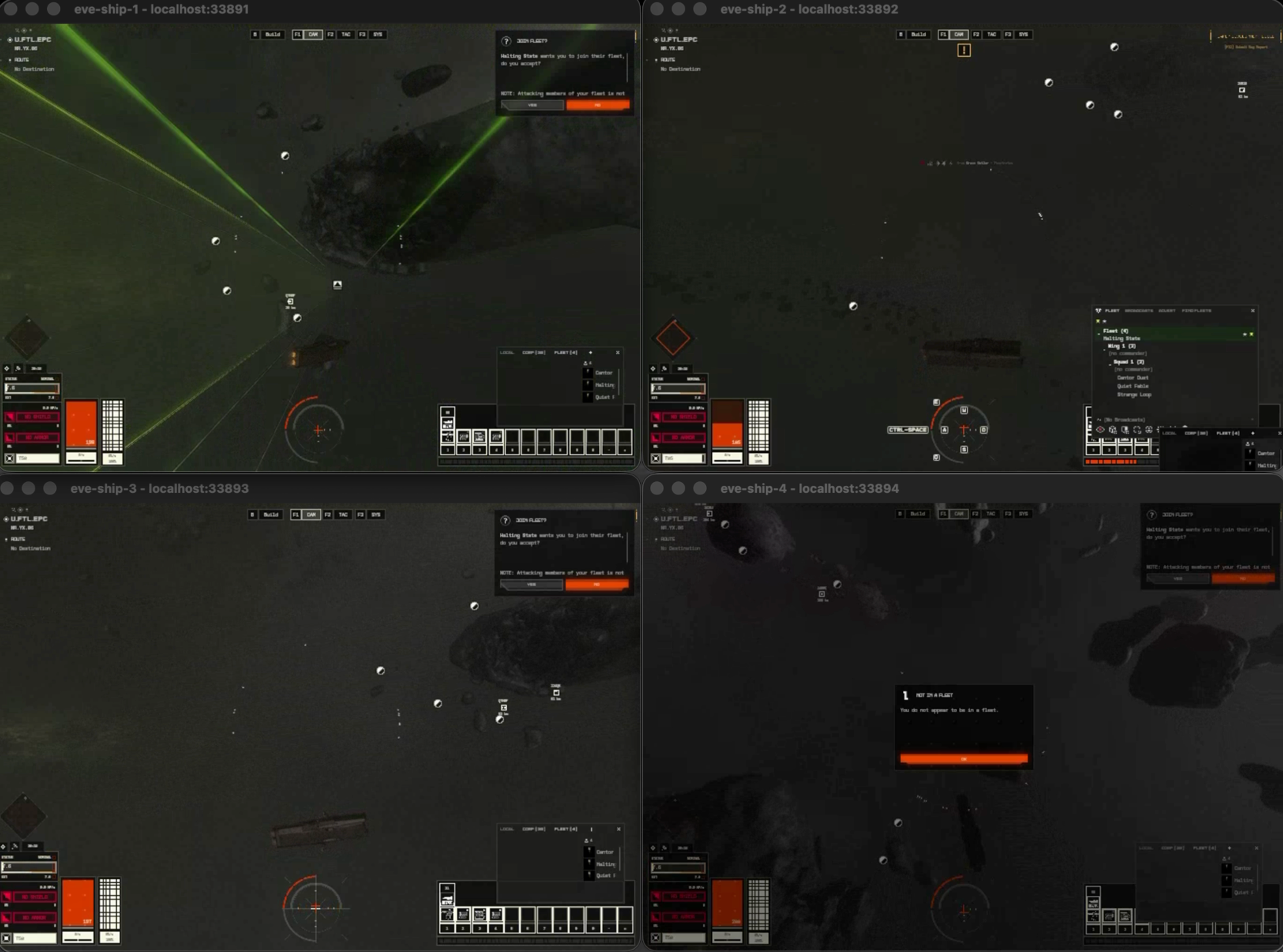
Anthropic Project EVE: Claude Multi-Agent Fleets in EVE Frontier Almost Never Catch Instructed Saboteurs

On 2026-11-06, Anthropic Frontier Red Team published Project EVE with Fenris Creations: Claude traded on a replayed EVE Online market and flew four-agent fleets in live EVE Frontier. Official report: Fable 5 roughly tripled Opus 4.6 average earnings over ~six-month simulations; teammates almost never caught an instructed saboteur; limited-access monitors caught about 20–40% at ≤5% false-positive rate.

Anthropic Project EVE: Claude Multi-Agent Fleets in EVE Frontier Almost Never Catch Instructed Saboteurs

Key Takeaways

  • Source: Anthropic research post Project EVE: Claude plays MMORPGs (2026-11-06) with Fenris Creations
  • Trading: official ~six-month sims — Fable 5 average earnings about 3× Opus 4.6 (~600% vs ~200% of starting capital)
  • Two-week windows: official Opus 4.6 ~4%, 4.7 ~16%, 4.8 ~22%, Fable 5 ~43% capital growth; mostly spread capture
  • Fleets: four Claude agents in live EVE Frontier; Fable 5 scaffold finished tutorial in ~12h with zero ship losses
  • Saboteur: instructed saboteurs almost never caught by teammates; limited-access monitors ~20–40% at ≤5% FP
Read full story
Linked Models & Agents:
⚡ Claude Fable 5⚡ Claude Opus 4.8⚡ Claude Opus 4.7⚡ Claude Opus 4.6🌐 Anthropic

OpenAI Ships BioBasicsBench with Ligo: 100 Routine Wet-Lab Tasks; Vendor GPT-6 Astra ~66.7% at xhigh

On 2026-11-06, OpenAI (@OpenAI) introduced BioBasicsBench with enzyme-design biotech Ligo: 100 routine wet-lab tasks from real experiments testing whether AI agents can interpret raw data, spot errors, and recognize unsupported conclusions. Vendor-reported xhigh mean reward: GPT-6 Astra ~66.7% vs GPT-5.6 Sol ~43.8%.

OpenAI Ships BioBasicsBench with Ligo: 100 Routine Wet-Lab Tasks; Vendor GPT-6 Astra ~66.7% at xhigh

Key Takeaways

  • Source: @OpenAI post on 2026-11-06 + official blog Measuring how AI agents handle everyday wet-lab science; partner Ligo
  • Scale: 100 real-experiment tasks across five domains; expert rubrics with internal/external wet-lab review
  • Vendor xhigh: GPT-6 Astra mean reward ~66.7% vs GPT-5.6 Sol ~43.8%
  • Vendor: Astra also leads at lower effort; remaining failures include controls, assumptions, colony counts
  • Purpose: track routine wet-lab analysis and biosafety implications—not autonomous lab judgment
Read full story

Google DeepMind: Human-Guided AI Agents Speed Cryptanalysis; Two Weaknesses in Legacy 1024-bit RSA; 2048-bit+ Remains Safe

On 2026-11-06, Google DeepMind (@GoogleDeepMind) and VP Science Pushmeet Kohli published research: under human supervision, AI agents found two weaknesses in legacy 1024-bit RSA—signature padding adds no extra protection once an attacker controls about half the signed block (sandbox replay ~3.5× less CPU than prior), and a batch-factoring algorithm cuts average cost per additional same-size key by about 30×. Official caveat: modern 2048-bit and larger protocols remain unaffected.

Google DeepMind: Human-Guided AI Agents Speed Cryptanalysis; Two Weaknesses in Legacy 1024-bit RSA; 2048-bit+ Remains Safe

Key Takeaways

  • Source: @GoogleDeepMind post on 2026-11-06 + Pushmeet Kohli X Article; two technical PDFs (signatures / Batch NFS)
  • Scope: legacy 1024-bit RSA only; official statement that 2048-bit and larger remain secure
  • Signatures: once an attacker controls ~half the signed block, padding adds no protection; sandbox on a known 1024-bit benchmark key used ~3.5× less CPU and under 1/1000 of full break cost
  • Short fingerprints (e.g. 32-byte): theoretical estimate ~1600× better than prior best for 1024-bit keys
  • Batch factoring: for many same-size keys, average cost per additional key ~30× lower vs prior batch methods
Read full story

Artificial Analysis Launches VIALS-AA: Handshake Life-Sciences Visual Reasoning Board; Vendor Lead Gemini 4 Carbon ~64%

On 2026-11-06, Artificial Analysis (@ArtificialAnlys) launched VIALS-AA: an independent rerun of Handshake AI VIALS (161 tasks across 8 scientific image domains) in the open Stirrup harness with code execution and image tools, three repeats per task, headline metric pass^3. Vendor board: Gemini 4 Carbon (high) ~64%, GPT-6 Astra (max) ~63%, Claude Opus 5.5 (max with fallback) ~61%; open-weights lead Kimi K3.1 Pro ~45%.

Artificial Analysis Launches VIALS-AA: Handshake Life-Sciences Visual Reasoning Board; Vendor Lead Gemini 4 Carbon ~64%

Key Takeaways

  • Source: Artificial Analysis official article/leaderboard on 2026-11-06; tasks from Handshake AI VIALS
  • Method: 161 tasks x 3 repeats; Stirrup with code execution + image tools; GPT-6 Luna (medium) grades; headline pass^3
  • Leaders (vendor): Gemini 4 Carbon (high) 64%, GPT-6 Astra (max) 63%, Claude Opus 5.5 (max with fallback) 61%
  • Cost & consistency: Sol ~59% at ~$0.056/task; Kimi K3.1 Pro near Astra on pass@3 but only ~45% on pass^3
  • Use: artificialanalysis.ai/articles/vials-aa and /evaluations/vials-aa
Read full story

HF's Joël Niklaus Ships Harness Leaderboard: 28,849 Trials Across 9 Coding Agent Harnesses; Author Reports mini-swe-agent ~51.4% Average

On 2026-11-05, Hugging Face Harness Optimization researcher Joël Niklaus (@joelniklaus) released the Harness Leaderboard: same model, provider, and reasoning effort with only the harness swapped, covering GLM-5.3-Flash, DeepSeek-V4.1-Flash, and Flint on Terminal-Bench 2.1 and DeepSWE—28,849 trials and about $4,746 of inference. Author-reported averages: mini-swe-agent ~51.4% resolve rate; Pi ~49.4% at about $0.29 per solved task. This is an individual research leaderboard, not a Hugging Face company product announcement.

HF's Joël Niklaus Ships Harness Leaderboard: 28,849 Trials Across 9 Coding Agent Harnesses; Author Reports mini-swe-agent ~51.4% Average

Key Takeaways

  • Source: personal post by HF Harness Optimization researcher Joël Niklaus on 2026-11-05T16:04:08Z—not a company announcement
  • Scale (author): 9 harnesses on open models, 28,849 trials, ~$4,746 inference spend
  • Method: pin model/provider/reasoning effort; 3 attempts per task; Terminal-Bench 2.1 and DeepSWE
  • Results (author): averaged mini-swe-agent ~51.4%, openclaw ~27.3%; Pi ~49.4% at ~$0.29 per solved task
  • Use: public HF Space leaderboard + trajectories; Harness Lens documents prompts/tools for each harness
Read full story
ADSponsored

Moonshot Ships Kimi Hosted Agents GA: Harness as a Service, Cloud Sandbox About ¥0.072/hour, 140+ Skills and kha CLI

On 2026-11-05 Moonshot officially launched Kimi Hosted Agents, selling the agent runtime harness as a cloud service: isolated sandboxes, persistent sessions, failure recovery, and audit export, billed as sandbox hours + model tokens + plugin calls. Official docs list 140+ Skills and 30+ plugins, plus kha CLI, console, and REST API (kimi-api-version: 2026-09-01-beta). Self-hosted sandboxes are enterprise-verified only.

Moonshot Ships Kimi Hosted Agents GA: Harness as a Service, Cloud Sandbox About ¥0.072/hour, 140+ Skills and kha CLI

Key Takeaways

  • Official: GA on 2026-11-05 as Harness as a Service—no self-built sandbox/session/retry stack required
  • Billing (official pricing): total = sandbox hours × ¥0.072/hour + model inference + Σ(plugin calls × unit price)
  • Bundle: vendor says 140+ Skills and 30+ plugins; product overview lists 12 official templates (finance/game/SRE/community)
  • Start: platform.kimi.com; recommended path is kha CLI install + kha login, or REST/SSE
  • Limits: self-hosted environments and Inference Hook are enterprise-verified only; API still tagged 2026-09-01-beta
Read full story

OpenAI Codex CLI 0.167.0: Agent Command Center with Unread Marks, Backend Switching that Keeps Drafts, Vertex AI Setup Wizard

On 2026-11-06 OpenAI shipped Codex CLI 0.167.0 on GitHub and the ChatGPT/Codex changelog. Open the agent command center with codex agents --no-daemon (unread results marked); switch connected backends in the terminal session picker while keeping drafts; preview local images; expand patches during approval prompts; optionally enable a Google Cloud Vertex AI setup wizard.

Key Takeaways

  • Official: GitHub rust-v0.167.0 (2026-11-06T01:40Z) and same-day ChatGPT/Codex changelog entry
  • Command center: codex agents --no-daemon; unread results marked in the center and session picker
  • Multi-backend: switch connected backends from the terminal session picker while keeping drafts
  • UX: local image previews in supported terminals; expand patch details while an approval prompt is open; network approval prompts close when requests end and serialize per endpoint
  • Auth: enable gcp_setup_wizard for Vertex AI under Sign in another way (ADC or credential file); opt into macOS/Windows system proxies from /experimental
Read full story
Linked Models & Agents:

Hugging Face ML Intern Available as Installable Slack Bot for Workspace ML Tasks

On 2026-11-05 Hugging Face said its open-source ML Intern is available as a Slack bot you can install in your own workspace. Mention @ML Intern to evaluate models, build datasets, and fine-tune using your own Hugging Face account; each thread is a session with an approved compute budget and optional HuggingChat MCP servers.

Hugging Face ML Intern Available as Installable Slack Bot for Workspace ML Tasks

Key Takeaways

  • Official: @huggingface 2026-11-05; docs ML Intern in Slack; install at huggingface.co/chat/slack/install
  • Form: Slack bot running the same agent as HuggingChat, billed and publishing under each user's HF account
  • Capabilities: evaluate models, build datasets, fine-tune; connect data/files and HuggingChat-enabled MCP servers
  • Sessions: each thread is its own session (up to 200 messages, 10 attachments); Jobs/sandboxes need an approved compute budget (starts at $0)
  • Limits: Marketplace-only workspaces cannot install; Enterprise Grid needs per-workspace installs
Read full story

Vercel Schedules Public Beta: Static and Dynamic Jobs Agents Can Create at Runtime via Queues

On 2026-11-05 Vercel launched Schedules in public beta on all plans: static jobs in vercel.json plus dynamic one-shot/cron schedules via SDK/CLI/API targeting private Functions, HTTP paths, or Queues. Eve and AI SDK samples let agents schedule follow-up work. Existing Cron Jobs remain supported.

Vercel Schedules Public Beta: Static and Dynamic Jobs Agents Can Create at Runtime via Queues

Key Takeaways

  • Official: Vercel 2026-11-05 changelog + blog Introducing Vercel Schedules; amplified on @vercel
  • Capabilities: static (vercel.json) and dynamic (SDK/CLI/API) one-shot/cron; Function, HTTP, or Queue targets
  • Agents: Eve ships dynamic scheduling; AI SDK sample uses Schedules.create + Queue wake-up
  • Billing (vendor): ~$5 per 1M runs and $10 per 1M creations on Pro/Enterprise; Hobby 500 creates / 5,000 runs per month
  • Existing Cron Jobs keep working; schedule/v1beta functions have no public URL
Read full story

Anthropic: Claude Enterprise Inference Hooks Generally Available for Prompt and Pre-Tool-Call DLP Checks

Anthropic updated Claude Enterprise security and admin features: Inference Hooks (prompt hooks and pre-tool-call hooks) are generally available so prompts and tool calls can hit the organization's existing DLP/security stack for allow/deny before the model or tool runs. The same post also introduces a Security Center, centralized management, and additional access controls (mostly beta).

Anthropic: Claude Enterprise Inference Hooks Generally Available for Prompt and Pre-Tool-Call DLP Checks

Key Takeaways

  • Official: claude.com article More visibility and control over Claude Enterprise for security teams
  • GA: Prompt hooks and pre-tool-call hooks into existing enterprise DLP/security tools
  • Coverage: prompts and tools/skills/plugins/MCP on supported products; one org setup
  • Same post, mostly beta: Security Center, centralized management, Admin API sign-out, self-serve IP allowlist, Desktop shadow-IT block, Cowork EDR
  • Limits: Enterprise; hooks see transcript/tool-call text, not raw file bytes; configure timeout fail policy
Read full story