
On 2026-10-04 Vals AI shared two spintronics candidates found by a team of Claude Opus 5.5 agents running DFT on cloud machines: a newly designed YBaMnFeO₅ and the 1999-synthesized KV[Cr(CN)₆], now identified as a room-temperature Luttinger-compensated semiconductor. All inputs, raw outputs, a claim checker, and five corrections to the agents' own records are public on GitHub.
Key Takeaways
- ✓Sources: Vals AI blog (2026-10-04) and the compensated-magnet-ledger repo; 200+ points on Hacker News
- ✓KV[Cr(CN)₆]: ~2.09 eV HSE06 gap, 2.6/1.6 eV hole/electron spin windows, measured ordering at 376 K in the 1999 sample
- ✓YBaMnFeO₅: 2.35 eV gap, ~420 K Néel (≈490 K calibrated), but its Mn/Fe checkerboard scrambles near 950 K, so it may be unmakeable
- ✓Checkable: 52 of 61 claims recomputed from raw QE outputs;
python tools/verify.pygives 58 pass / 0 fail / 3 not computable - ✓Five agent errors were caught and fixed (hull +13.7 not +2.6 meV/atom, a missed 2008 paper), narrowing the novelty claim
Developer 3s Key Decision Metrics
Turn your technical choice into a development budget
Compare 29+ dev plans & simulate token costs vs $20/mo subscriptions
Project Links & Resources
Direct AccessIn-Depth Technical Analysis
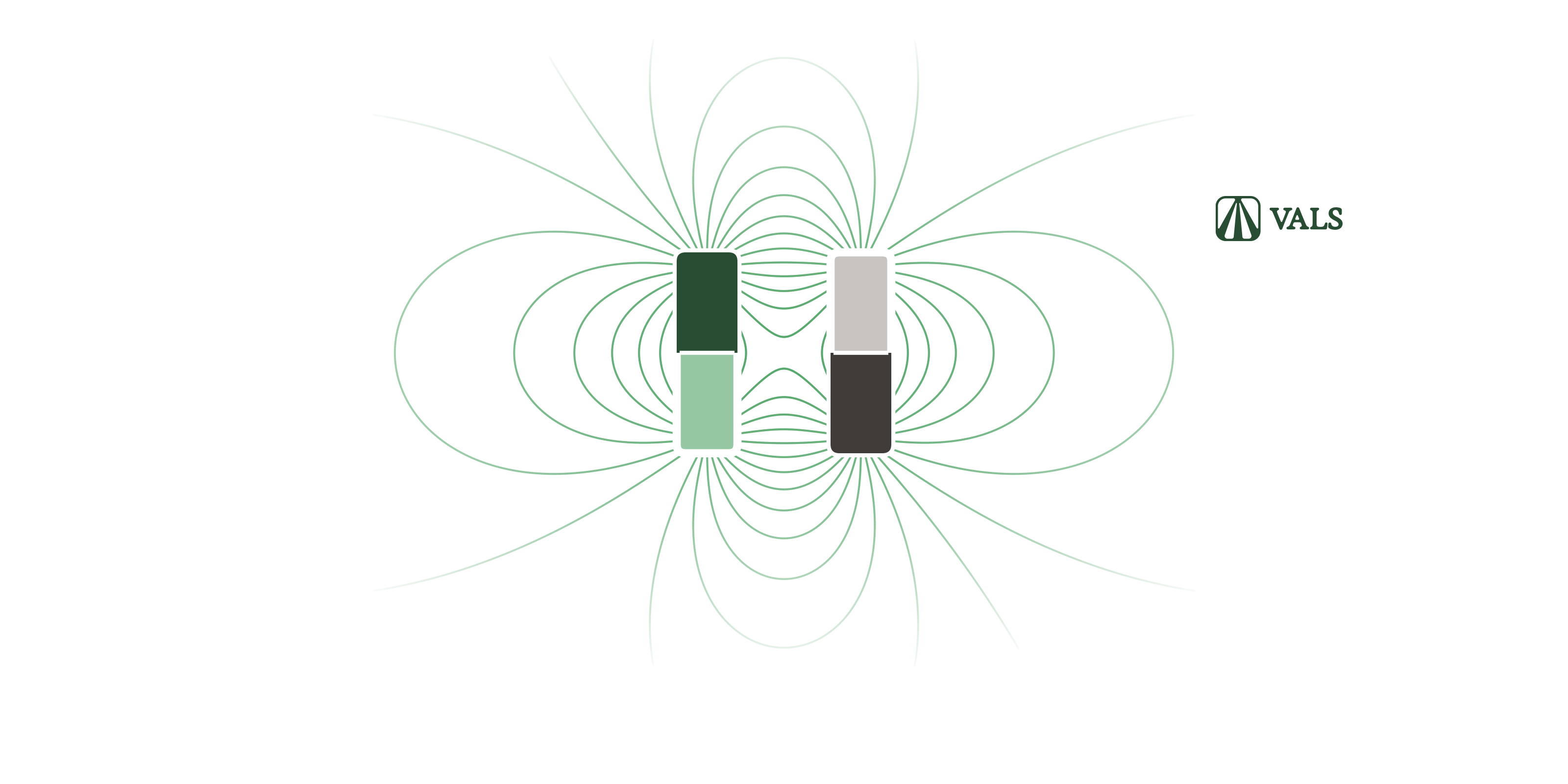
Vals AI reports that a team of Claude Opus 5.5 agents, running density functional theory on cloud machines (PBE+U screening, HSE06 refinement), produced two candidates for room-temperature Luttinger-compensated magnetic semiconductors, a material class with zero net magnetism that still sorts electrons by spin, which matters for next-generation spintronic memory. The designed compound YBaMnFeO₅ shows a 2.35 eV gap and a predicted ~420 K (≈490 K calibrated) ordering temperature, but its required Mn/Fe checkerboard is predicted to scramble near 950 K, below synthesis temperatures. The stronger result is KV[Cr(CN)₆], a Prussian-blue-type magnet first made in 1999 whose sample orders at 376 K; the agents compute a ~2.09 eV gap with 2.6/1.6 eV hole/electron spin windows. Nothing has been measured experimentally yet. What makes the post stand out for agent builders is the delivery: a public ledger where 52 of 61 claims are recomputed from raw Quantum ESPRESSO outputs, a one-command checker (58 pass, 0 fail, 3 not computable), three levels of re-runs, and five corrections to the agents' own records, including a revised hull distance and a missed 2008 paper that narrows the novelty claim.
Benchmark side-by-side against alternatives, or calculate monthly token cost vs subscription break-even.
Discussion & Comments
0Sign in to join the discussion
Connect with AI developers to exchange benchmark insights.