

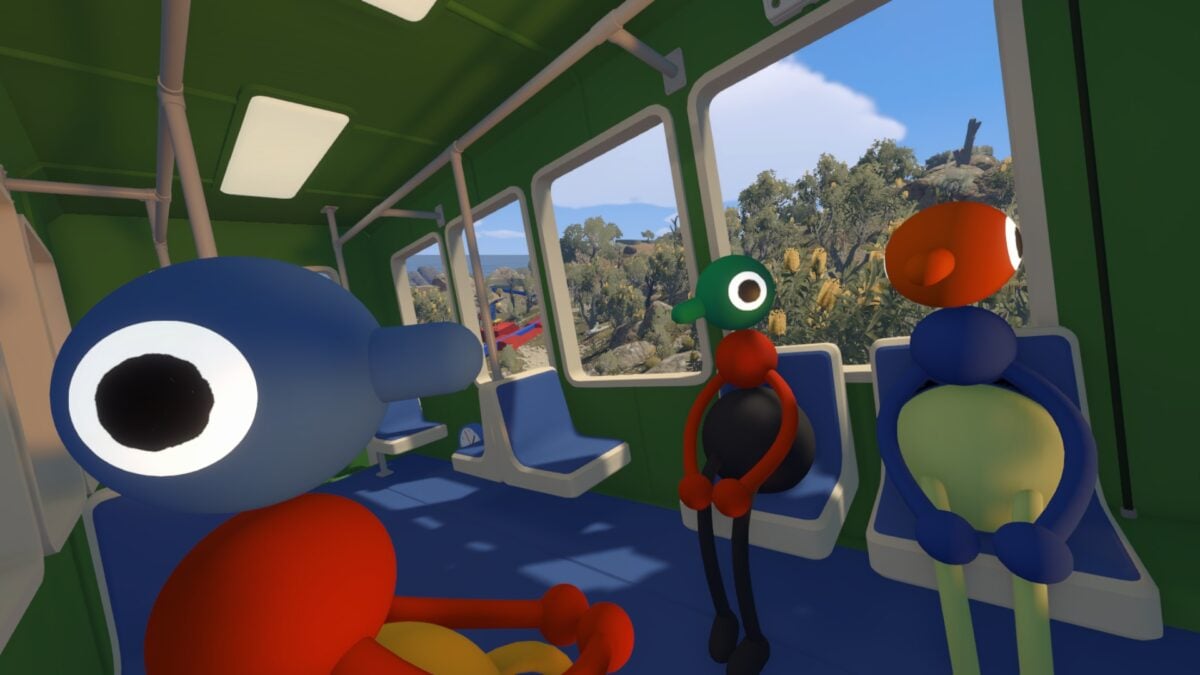
Wharton professor Ethan Mollick posted on X on November 11 that the anti-AI backlash in games is "mostly hurting indie studios": in a world where nearly all coding will involve AI, insisting on zero AI code is an impossible standard, and fans who care about human work should reward games that center human artists and designers rather than police AI use. He was quoting Kotaku's coverage of Big Walk, the indie game from House House, which disclosed that "well under 0.1%" of its code had anything to do with AI and that generative AI was used nowhere else; the studio said it had not disclosed this because Steam does not ask about code or chatbot use. The episode split jurors for the 2027 Independent Games Festival (IGF). The post drew about 12.7K views, 335 likes and 77 replies; a follow-up calling GTA 6 "The Last Human Game" passed 600 likes. This is a debate, not a settled finding.
Key Takeaways
- ✓House House says well under 0.1% of Big Walk's code had anything to do with AI and generative AI was used nowhere else, per Kotaku quoting the studio
- ✓Its reason for not disclosing: Steam does not ask about code or chatbot use
- ✓2027 IGF jurors split: some signed a public no-exceptions statement, others felt such limited use should not disqualify the game
- ✓Mollick's post drew about 12.7K views, 335 likes and 77 replies; his "Last Human Game" follow-up passed 600 likes and 22K views
Key Decision Metrics at a Glance
Turn your technical choice into a development budget
Compare 40 dev plans & simulate token costs vs $20/mo subscriptions
Project Links & Resources
Direct AccessIn-Depth Technical Analysis
Background and Industry Pain Points
AI coding assistants are now an everyday tool for many developers: checking errors, completing code and suggesting fixes, often without much thought. But in games, players and award bodies push back hard on generative AI, and more people demand "zero AI". Most rules focus on art and voice work, while AI use in code is hard to define and rarely has to be disclosed. The Big Walk episode put that gray zone in the spotlight.
Architecture Highlights and Mechanism
According to Kotaku and House House's statement, the studio made limited use of AI during development: "well under 0.1%" of the code had anything to do with it, and generative AI was used nowhere else. It had not disclosed this because Steam does not ask about code or chatbot use. The news set off a dispute among 2027 IGF jurors. Some signed a public statement calling for a no-exceptions line; others felt the specific use should be weighed and should not disqualify a likely grand-prize contender. Kotaku's own editors disagreed with one another too.
Benchmarks and Measured Results
This is a debate with no measurable benchmark. The verifiable numbers are engagement: Mollick's main post had about 12.7K views, 335 likes, 77 replies and 21 reposts; his follow-up saying GTA 6 will be the last AAA game made with no AI assistance had about 22K views and 600+ likes. Kotaku's original post had about 28K views. "All coding will effectively involve AI" is Mollick's view, not a statistic.
Developer Guide and Getting Started
Practical takeaways for indie developers: keep a record of where and how much AI tools were used in a project, so you can explain it clearly when asked. Read award and store AI policies before entering or launching, since disclosing up front costs far less than being exposed later. If your audience is sensitive to AI, agree on team rules for code, for example using AI only for error checking and not for generating feature code.
Benchmark side-by-side against alternatives, or calculate monthly token cost vs subscription break-even.
Discussion & Comments
0Sign in to join the discussion
Connect with AI developers to exchange benchmark insights.